
New Year Reflections
On Tattoos: Tradition, Identity, and Modern Expression
My views on tattoos have evolved over time. Not too long ago, I had issues with tattoos, seeing them as unnecessary and even inappropriate. However, I’ve come to understand that tattoos, like dressing, have a long and rich history in human civilization, particularly in African traditions. They have historically served as a medium of expression, a marker of identity, and even a form of spiritual or communal connection.
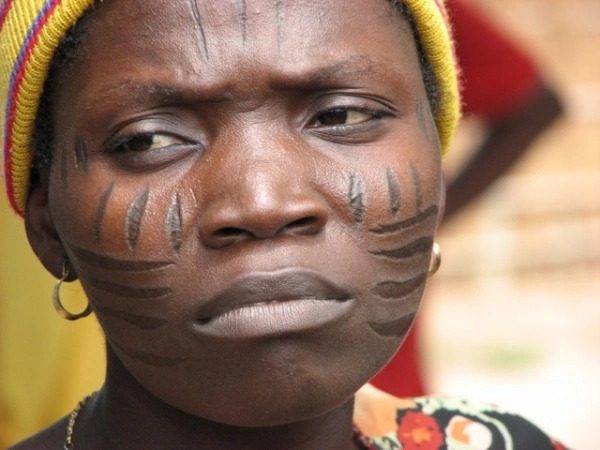
In many traditional African societies, tattoos and scarification carried significant meanings—they were not merely decorative. They were symbols of courage, social status, rites of passage, or even mystical protection. For instance, a warrior might bear tattoos that signified victories in battle, while a young adult might be tattooed as part of their initiation into adulthood. These markings were a language in themselves, conveying messages about a person’s life, values, and place in the community.
A conversation I had today shed light on another fascinating aspect: among the Yoruba, tribal marks served both practical and symbolic purposes. For those captured in war or taken far from their homeland, these marks enabled recognition if they returned. Additionally, they made individuals less attractive to Westerners and slave dealers, acting as a protective measure during the transatlantic slave trade.
Generally, the process of tattooing or scarification was often accompanied by rituals that underscored its spiritual and cultural significance. It was a collective acknowledgment of the wearer’s transformation or role within society. This contrasts with modern tattoo culture, which often emphasizes individualism and aesthetic appeal over communal or symbolic meaning.
With colonialism and the spread of Western religious and moral codes, traditional tattooing practices were dismissed as pagan or barbaric. Tattoos began to be viewed with suspicion, associated with rebellion or criminality rather than cultural pride or identity. This stigmatization persists in many African societies today, where tattoos are still seen by some as a deviation from societal norms.
However, tattoos have re-emerged in modern African society with different connotations. For many, they are now a form of personal expression, a way to commemorate loved ones, or an artistic statement. Yet, this resurgence raises questions about authenticity and cultural appropriation. Are these modern tattoos a continuation of our heritage, or have they become a diluted trend influenced by global popular culture?
From my perspective, the significance of tattoos lies not just in their aesthetics but in their purpose and meaning. If a tattoo serves as a bridge to one’s heritage or a reflection of deeply held beliefs, it resonates with traditional values. However, when tattoos are adopted solely for fashion or without regard for their cultural and historical roots, they risk becoming superficial.
As someone who values tradition, I approach tattoos with a mix of respect and caution. While I respect their historical and cultural importance and their role in self-expression, I remain mindful of how easily trends can overshadow traditions, reducing meaningful practices to fleeting fads. I am encouraged to appreciate the art and history behind tattoos while urging caution against adopting them without understanding their deeper significance.
What do you think of tattoos?
Cheers!
#TattoosAndTradition#CulturalIdentity#AfricanHeritage#ExpressionThroughArt#moderntrends